


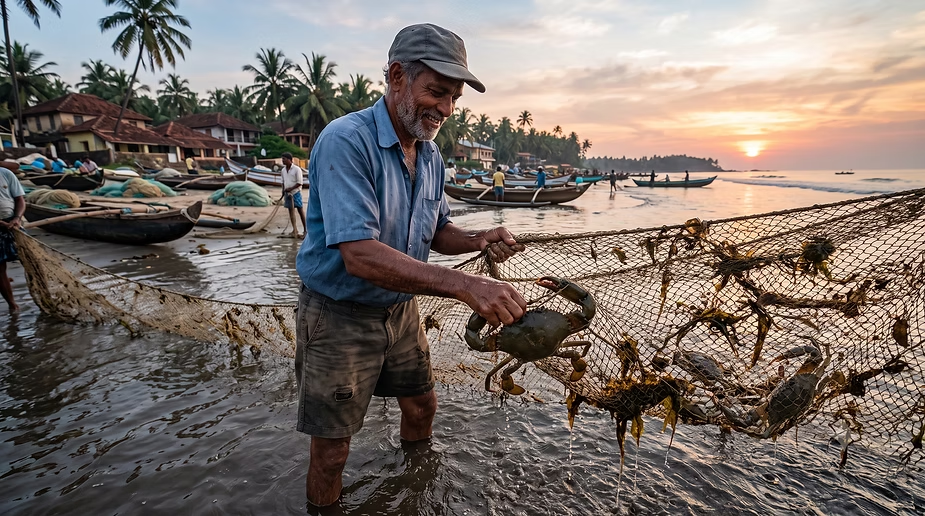
Goa pushes crab farming as a high-value aquaculture opportunity with subsidy support of up to 50–60 percent. The scheme aims to help farmers, fishermen, and individuals tap into a growing seafood market.
At a Glance:
- Goa promotes crab farming with subsidy support up to 50-60 percent.
- The subsidy is open to farmers, fishermen, individuals, self-help groups, and societies.
- It covers pond setup, pen culture, box culture, and input costs.
- Crab farming becomes part of the larger picture of growing demand for seafood.
- Main hurdles include land access, permissions, seed supply, and high setup costs.
Goa is giving a strong push to crab farming, and for many in the state, this opportunity could open a new path to income. The government has introduced subsidy support to make crab farming easier to start, especially for farmers, fishermen, and individuals who want to try a seafood-based business.
This subsidy provision aims to help more people enter aquaculture without carrying the burden of high setup costs. It also offers higher assistance to women, Scheduled Caste (SC), and Scheduled Tribe (ST) beneficiaries.
Crab farming is increasingly viewed as a high-value activity because it commands high market prices.
In Goa, this business model is particularly well suited to local conditions..
The state has abundant water resources, suitable climate, and a strong seafood culture. Until now, many prospective farmers lacked financial support. This subsidy scheme aims to fill that gap. It plans to turn a coastal opportunity into a real livelihood option.
Many in Goa depend on the sea for their livelihoods. Crab farming provides another opportunity to earn. Government support makes the idea more practical for small and medium farmers.
The financial aid provided under the subsidy can go up to 50-60 percent of the project cost, depending on the category and the kind of unit being set up. For those concerned with investment costs at the start, this subsidy provides relief.
The subsidy also covers input costs, as farming is not just about building a pond or setting up a pen.
Farmers also need crab seed, feed, and other basic materials to keep the unit going. By supporting both setup and inputs, the subsidy gives a complete push to crab farming.
This could encourage more people to take up aquaculture.
Another key feature of the scheme is its broad eligibility criteria. Fish farmers, fishermen, individual entrepreneurs, self-help groups, and societies can apply. This wide coverage makes the scheme more useful because it does not limit crab farming to only large business owners.
Small farmers and local coastal communities can also take part.
Crab is a high-value seafood item, and there is steady demand in markets across India. Restaurants, hotels, and seafood buyers often pay good prices for quality crab. It creates a strong earning potential for farmers.
The Roadblocks Ahead
At the same time, a subsidy alone cannot solve every problem.
The biggest challenge in Goa has often been access to land. The best coastal areas are frequently communidade land, and getting permission to use them is not easy.
This can slow down or even stop a crab farming project before it begins.
Many prospective farmers may be interested, but they still need a place where they can legally and practically start the farm.
There are also regulatory hurdles. For khazan land ponds, farmers may need no-objection certificates (NOCs) and other approvals. Environmental concerns also play a role, which means the process can take time.
These steps are important, but they also make the project more difficult for first-time farmers. A subsidy helps with money, but it does not remove the need for clear land access and proper approval.
Seed supply is another issue. Crablets are not always available locally, so farmers may have to bring them from outside the state. That creates extra cost and more planning.
High setup costs remain one of the biggest concerns. Even with subsidy support, the remaining amount can be large for small farmers.
Pond preparation, bund repair, and basic infrastructure need money and work. For many people, this is the point where the project becomes difficult. The subsidy makes it easier, but it does not make crab farming cheap.
Still, the bigger picture is encouraging.
Goa is trying to build a stronger aquaculture sector, and crab farming fits well into that plan. Crab farming makes productive use of coastal resources, supports local livelihoods, and has strong market demand.
It also gives farmers and fishermen a chance to move into a higher-value activity instead of depending only on traditional fishing or low-return work.
The scheme also has an inclusive focus. Since women, SC, and ST beneficiaries can get higher support, the policy can help encourage wider participation into the sector. This is useful because new livelihood opportunities should not be limited to a few better-off applicants.
If the practical problems are handled well, crab farming could become an important part of Goa’s rural economy – creating jobs, supporting entrepreneurship, and adding value to the state’s seafood sector. While the subsidy alone will not guarantee success, it provides a strong foundation for expanding crab aquaculture.