


In March 2026, the closure of the Strait of Hormuz exposed Goa’s vulnerability to global LPG supply disruptions. With commercial supplies falling to just 20% of normal levels and stocks lasting barely 15 days, households, hotels, restaurants and fishing businesses faced uncertainty.
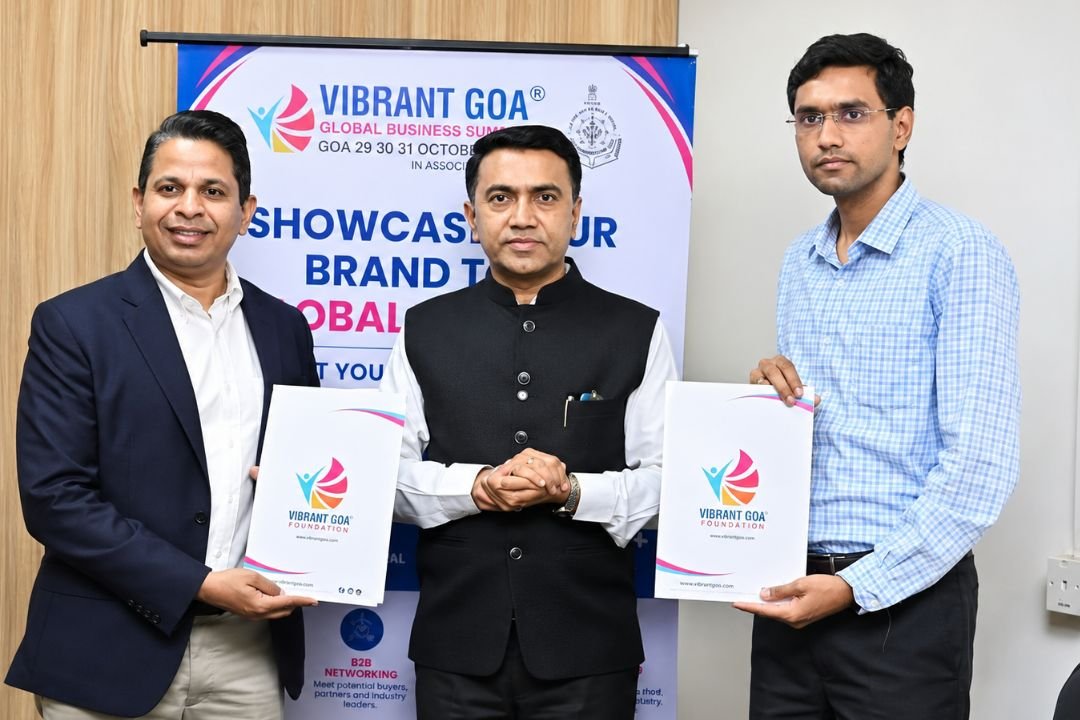
Turning this challenge into an opportunity, the Goa Government, under Chief Minister Dr. Pramod Sawant’s leadership, has taken a major step towards long-term energy security. At the Vibrant Goa Global Business Summit 2026, the state signed a ₹5,000-crore MoU with ANVI to establish its first LPG import, storage and distribution terminal at Mormugao Port. The project will provide storage capacity equivalent to eight to nine months of Goa’s LPG consumption, while creating jobs and strengthening the state’s economic future.
From Supply Disruptions to Energy Security: Goa Plans Major LPG Infrastructure
Goa is taking a significant step towards long-term energy security with a proposed ₹5,000-crore LPG import, storage and distribution terminal at Mormugao Port. The Goa Government signed a Memorandum of Understanding (MoU) with ANVI, an India- and UAE-based energy trading and financial services group, at the Vibrant Goa Global Business Summit 2026 in the presence of Chief Minister Dr. Pramod Sawant.
The project marks an important step in the state’s efforts to strengthen its energy infrastructure and reduce dependence on external supply routes. The disruptions caused by the closure of the Strait of Hormuz in March 2026 exposed Goa’s vulnerability to international supply interruptions. During that period, commercial LPG supplies to the state fell to nearly 20% of normal levels, while available stocks stood at approximately 15 days.
Learning from this experience, the Goa Government is moving towards building stronger storage infrastructure and securing reliable LPG supplies for households, businesses and industries.
8–9 Months of Storage Capacity to Strengthen LPG Security
The proposed Goa LPG Security Terminal and Storage Project will develop a dedicated LPG berth at Mormugao Port, a land-based storage terminal near the port, and a buried pipeline connecting the two facilities.
Under Phase One, the terminal will provide approximately 65,000 tonnes of refrigerated LPG storage capacity, equivalent to eight to nine months of Goa’s total LPG consumption.
The project will also maintain a dedicated reserve of at least 30 days of the state’s LPG demand, amounting to approximately 7,500 tonnes. The state government will control the release of this reserve and prioritise Goan consumers during declared emergencies.
This arrangement will help Goa respond more effectively to international supply disruptions and protect essential services from sudden shortages. The facility will cater to Goa’s requirements first before supplying neighbouring markets, including north Karnataka and south Maharashtra.
80% of Permanent Direct Jobs Reserved for Goans
Beyond energy security, the project will create substantial employment opportunities for local residents.
The terminal is expected to generate approximately 2,450 long-term direct, indirect and induced jobs once operational. Its construction phase could create around 3,500 jobs at peak, with total employment rising to approximately 7,000 when indirect opportunities are included.
Importantly, the MoU provides for at least 80% of permanent direct jobs and 70% of construction jobs to go to Goans. This provision will help local youth participate directly in the state’s growing energy and infrastructure sectors.
The project will also establish a proposed Goa Institute of LPG and LNG Technology to develop specialised skills among local candidates. The institute plans to train up to 500 people annually in energy-related careers, including gas tanker operations and other technical disciplines.
By developing local expertise before the terminal becomes operational, the initiative will prepare Goan youth for skilled employment opportunities and support the growth of allied businesses.
Economic Growth and New Opportunities for Mormugao Port
The ₹5,000-crore investment will create economic opportunities beyond the terminal itself. Goa Industrial Development Corporation (Goa IDC) will receive lease revenue, while Mormugao Port will benefit from port-related revenue and increased commercial activity.
The project will also introduce a clean cargo category at Mormugao Port. The proposed facility will handle LPG rather than coal, coke or other dust-generating bulk cargo, supporting the port’s efforts to diversify its operations.
The terminal will also strengthen Goa’s position as an important energy gateway on India’s western coast. At full capacity, it is expected to handle approximately three million tonnes of LPG annually, serving markets across Goa, Karnataka and Maharashtra, with the potential to supply other Indian ports and international destinations.
The project also plans to transport a significant share of its LPG through coastal tankers, reducing dependence on highway transportation.
Safety, Infrastructure and Long-Term Resilience
The proposed terminal will incorporate international safety standards, including full-containment refrigerated tanks, mounded pressurised storage vessels and a continuously monitored underground pipeline corridor.
The project also plans to introduce dedicated routes and GPS tracking for road tankers, alongside safety and environmental assessments and public consultations before construction begins.
These measures will help establish the infrastructure with attention to operational safety, environmental responsibility and community concerns.
How Goans Will Benefit
The project will deliver benefits across several areas of public and economic life:
- Reliable LPG supply: Dedicated storage and emergency reserves will help protect households and businesses from supply disruptions.
- Employment opportunities: Reservation of permanent and construction jobs will give Goans greater access to project-related employment.
- Skill development: The proposed institute will train up to 500 people annually in specialised energy-sector skills.
- Economic growth: Investment, port activity, logistics and allied businesses will create opportunities for local entrepreneurs.
- Stronger infrastructure: A dedicated import gateway will enhance Goa’s capacity to address future energy supply challenges.
The proposed LPG terminal reflects the Goa Government’s approach of turning challenges into opportunities through long-term infrastructure planning. By strengthening energy storage, creating employment and developing specialised skills, Chief Minister Dr. Pramod Sawant’s government is positioning Goa for a more secure and economically resilient future.
The initiative will not only strengthen Goa’s energy infrastructure but also create opportunities for Goans to participate in the state’s next phase of industrial and economic growth.