


Goa is strengthening its marine fishing sector with new systems. The State Government has introduced new rules making vessel tracking, communication and safety equipment mandatory for mechanised fishing vessels, while also tightening fishing passes, berthing permissions and trawl-net requirements.
The changes come under the Goa Marine Fishing Regulation (Eighth Amendment) Rules, 2026, which further amend the Goa Marine Fishing Regulation Rules, 1982, and have come into force with immediate effect. The move marks another step towards bringing greater monitoring, safety and accountability to fishing activity in Goa’s waters.
At the heart of the amendment is a simple shift: fishing activity is being brought under stronger technological oversight. Mechanised vessels will no longer operate only through conventional licensing and regulatory systems. They will also be required to carry equipment that allows authorities to identify, track and communicate with vessels at sea.
Read Also: Goa’s Fishermen Can Now Look to Satellites Before They Look to the Sea
Tracking every vessel, strengthening maritime oversight
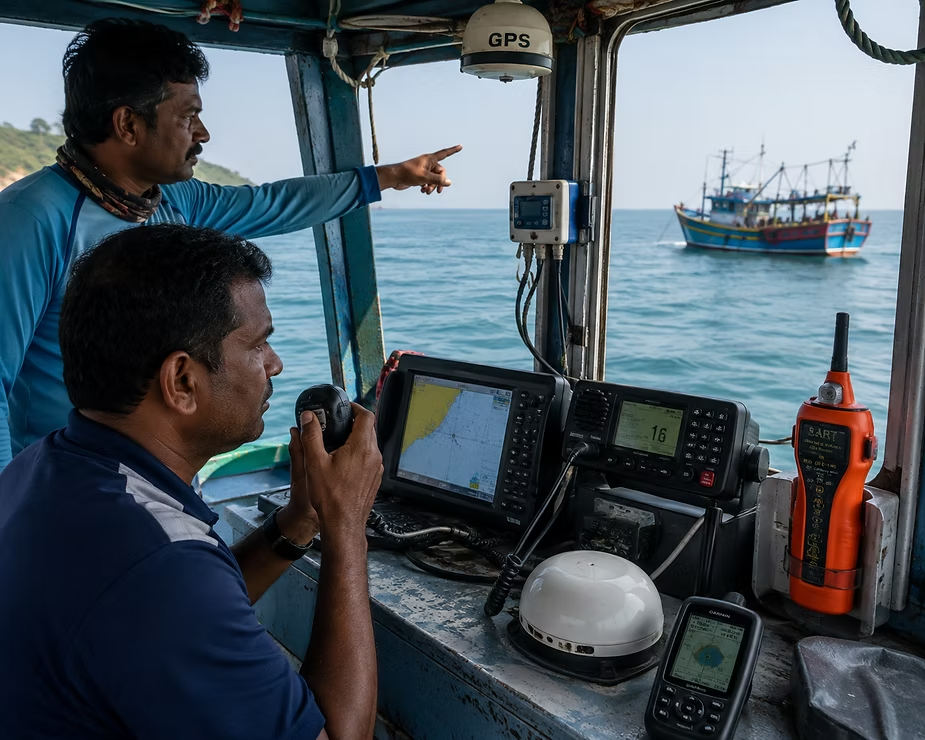
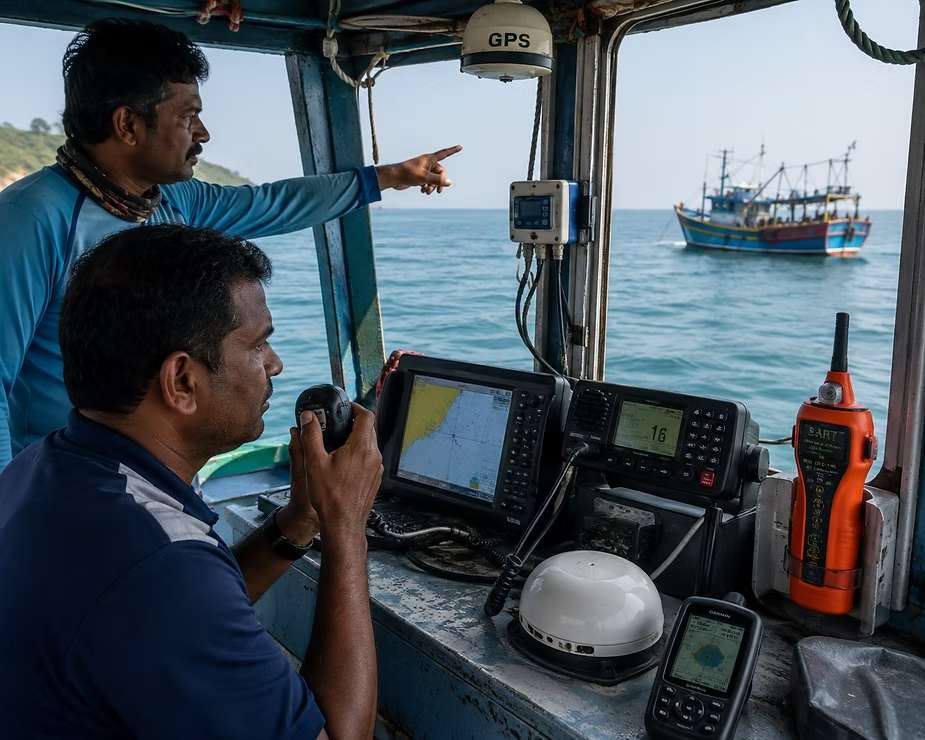
Under the amended rules, every mechanised fishing vessel must be fitted with an Automatic Identification System (AIS), satellite-based transponder or Vessel Tracking and Monitoring System (VTMS).
The vessels must also carry a Search and Rescue Beacon, Marine Very High Frequency (VHF) radio installation and Global Positioning System (GPS) navigator.
This creates a more comprehensive safety and monitoring framework for fishing vessels operating in and around Goa.
The inclusion of tracking technology is particularly significant because it gives authorities greater visibility over vessel movements. It can help strengthen compliance monitoring, improve traceability, and provide better information during emergencies at sea.
The framework also extends to smaller fishing craft. Canoes will be required to be fitted with a satellite-based transponder, ensuring that vessel monitoring is not limited only to larger mechanised boats.
A stronger safety net for fishermen at sea
The new requirements go beyond regulation. The mandatory safety and communication equipment also creates an additional layer of protection for fishermen who spend long hours at sea.
A VHF radio provides a direct communication mechanism, while GPS navigation helps vessels establish their location. A Search and Rescue Beacon adds another important safety tool in situations where assistance may be required.
Together, these provisions move Goa’s fishing sector towards a more technology-enabled operating environment.
The Government’s approach is therefore not simply about controlling fishing activity. It is about knowing where vessels are, improving communication, strengthening emergency response and making fishing operations more accountable.
Read Also: Grab That Crab: Goa’s Big Push for Profitable Crab Farming
Fishing passes become mandatory
The amendments have also tightened the rules governing access to the sea.
Every mechanised fishing vessel will now be required to obtain and possess a valid fishing pass before venturing into the sea for fishing.
This creates a clearer regulatory checkpoint before vessels begin fishing operations. With valid passes forming part of the requirement, authorities can better distinguish authorised fishing activity from operations that do not comply with State regulations.
For Goa’s fisheries sector, where sustainable management depends on knowing which vessels are operating and under what permissions, this strengthens the administrative framework around marine fishing.
Stronger Rules From Landing Centres to the Sea
The Government has also strengthened regulations covering both fish landing centres and trawl fishing operations, bringing greater structure to how vessels berth, land their catch and operate their fishing gear.
Under the amended rules, only registered fishing vessels holding a valid fishing vessel licence will be permitted to berth at notified fish landing centres. This connects vessel registration directly with access to designated landing facilities, helping improve traceability and accountability across the fishing chain while giving landing centres a clearer regulatory framework.
The amendments also introduce a specific standard for trawl fishing. Trawl nets must now have a square-mesh cod end, creating a clear technical requirement for fishing gear and strengthening oversight of trawling practices.
Together, these provisions move marine fishing regulation beyond paperwork and licensing, introducing clearer operational standards from where vessels can berth to how they fish at sea. The objective is to create a more organised fishing sector while encouraging responsible fishing practices and better management of Goa’s marine resources.
What This Means for Goan Fishermen
For Goan fishermen, the new rules are not only about tighter regulation. They also bring stronger safety systems, better communication and greater visibility for vessels operating at sea.
With GPS, VHF radio, Search and Rescue Beacons and vessel-tracking technology becoming mandatory, fishermen will have more tools to communicate their location and seek assistance during emergencies. Tracking systems can also help authorities identify and locate vessels more quickly when help is needed.
The requirement for valid fishing passes and licensed berthing can bring greater organisation to fishing operations, while clearer registration and tracking can strengthen the distinction between authorised and unauthorised vessels.
The new trawl-net specifications also encourage more regulated fishing practices, supporting the Government’s wider objective of managing marine resources responsibly.
For fishermen, this means some additional compliance at the vessel level, but also a stronger safety and monitoring framework at sea. For Goa, it is a move towards a fishing sector that is safer, more organised, traceable and better equipped to meet the demands of modern marine activity.
In that sense, the 2026 amendments are not simply about adding rules. They are about building a more secure and accountable operating environment for the people who make Goa’s fishing economy possible.
Read Also: Beyond the Degree: Goa’s Chief Minister’s Kaushal Path Scheme Is Building Skills for Tomorrow