


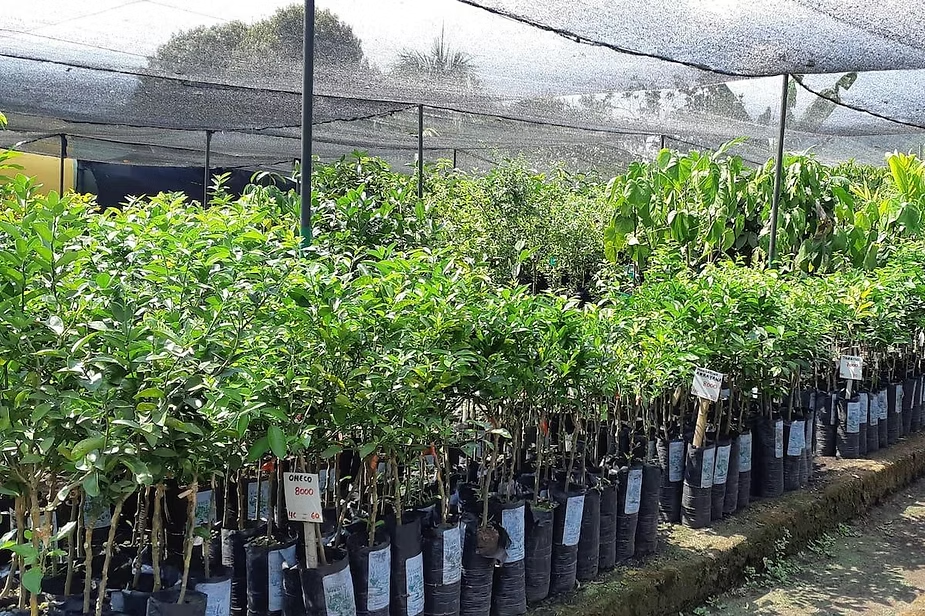
Roadside plant stalls may look harmless, but officials say unlicensed nurseries could be putting Goa’s farms, gardens and biodiversity at risk. After identifying dozens of illegal nurseries in the past, the Agriculture Department is preparing for another statewide enforcement drive.
At A Glance
- Agriculture Department to intensify inspections against illegal nurseries.
- Crackdown targets unlicensed nurseries operating along highways.
- 44 illegal nurseries were identified during the previous enforcement drive in 2023.
- Nursery licences cost ₹1,000 and remain valid for five years.
- Officials warn that unlicensed operators could face legal action.
- The move follows a representation by the Goa Consumer Action Network.
When a Small Sapling Becomes a Big Risk
Most people buying a mango graft, flowering shrub or ornamental palm never ask one simple question.
Is this nursery even licensed?
That single question is now at the centre of Goa’s latest agricultural enforcement drive.
The Directorate of Agriculture has announced that it will launch a crackdown on illegal plant nurseries operating across the state, particularly those functioning along highways without valid licences. Agriculture officials say many of these nurseries appear for a day, sell plants without regulatory oversight and disappear before authorities can inspect them.
For many buyers, a plant is just another purchase. For agriculture experts, however, it can become the starting point of disease outbreaks, crop losses or the spread of poor-quality planting material.
Goa Wants Every Nursery to Play by the Rules
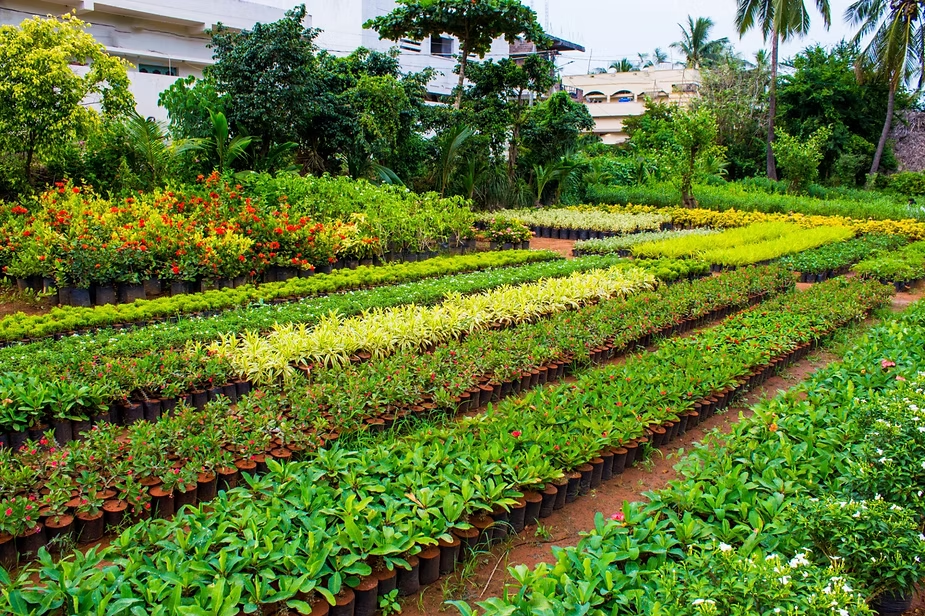
The latest drive follows instructions issued by Agriculture Director Chandrahas Desai to taluka and zonal agriculture officers to intensify inspections and initiate legal action against unlicensed operators. The action comes after a representation from the Goa Consumer Action Network highlighted the continued operation of illegal nurseries.
Under the Goa Fruit and Ornamental Plant Nurseries (Regulation) Act, every nursery producing or selling fruit and ornamental plants must obtain a licence from the Agriculture Department. The law also empowers authorised officers to inspect nurseries, suspend licences and prosecute violators.
Why This Matters Far Beyond Gardening
The crackdown is not merely about paperwork.
Licensed nurseries are expected to maintain standards relating to plant health, propagation material and traceability. Healthy planting material is essential because infected or poor-quality saplings can affect orchards, home gardens and commercial farms for years.
Goa’s horticulture sector depends heavily on quality planting material for crops such as mango, cashew, coconut, spices and ornamental plants. Ensuring that nurseries meet prescribed standards reduces the chances of diseased or inferior plants entering the supply chain.
This Isn’t Goa’s First Battle Against Illegal Nurseries
The department has dealt with this issue before.
In 2023, officials identified 44 unlicensed nurseries operating across Goa and issued show-cause notices. At the time, authorities estimated that the government lost ₹44,000 in licence revenue over the five-year licensing period because those nurseries had failed to register.
The current drive suggests that illegal operations have continued despite previous enforcement efforts.
What It Means for Ordinary Goans
For home gardeners, the message is simple.
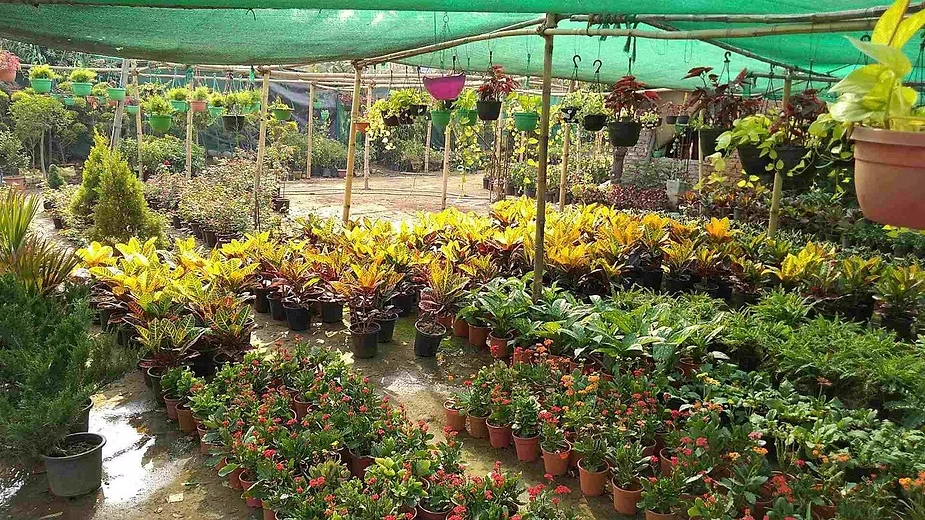
Buying plants from licensed nurseries increases the likelihood of receiving healthy, correctly identified planting material.
For farmers, quality seedlings directly influence crop productivity and long-term yields.
For the state, stricter regulation helps protect Goa’s agricultural ecosystem while improving accountability within the nursery business.
Consumers may also begin paying closer attention to whether nurseries display valid licences before making purchases.
Agriculture Director Chandrahas Desai has urged unlicensed nursery owners to regularise their businesses before inspections begin.
According to the department, orders formalising the intensified enforcement drive will be issued shortly, and operators found violating licensing norms may face legal action.
The Numbers Behind the Crackdown
- 44 illegal nurseries identified in the previous drive.
- ₹1,000 licence fee per nursery.
- 5 years validity of each licence.
- ₹5,000 maximum penalty after the 2022 amendment.
- Law governing nurseries has been in force since 1998.
The Agriculture Department is expected to issue formal enforcement orders and begin inspections through taluka and zonal agriculture officers.
Nursery owners operating without licences have been advised to register before enforcement begins. If inspections are sustained, Goa could see stronger compliance across the horticulture sector and improved consumer confidence in the plants being sold.