


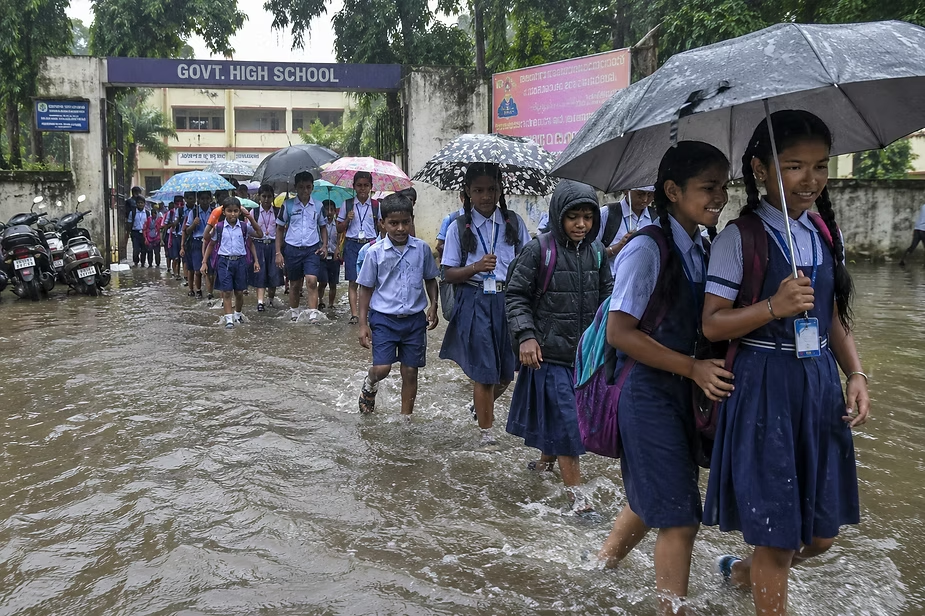
With another intense rainy season underway, the Goa government has asked schools across the state to strengthen monsoon preparedness, improve essential facilities and place student safety above everything else. The move could shape how thousands of children experience this academic year.
At a Glance
- The Goa government has directed schools to strengthen monsoon preparedness.
- Student safety has been identified as the top priority during the rainy season.
- Schools have been instructed to improve essential facilities before heavy rainfall intensifies.
- The initiative aims to reduce disruptions to classes during the monsoon.
- The focus comes as several Indian states have already witnessed school closures due to heavy rains this season.
When the Rains Return, Goa’s Biggest Classroom Test Begins
Every Goan loves the monsoon.
The first showers transform dusty roads into green landscapes, waterfalls come alive and the smell of wet earth signals that another season has arrived.
But for thousands of parents, the arrival of the rains brings a different emotion.
Will the school bus reach safely?
Will classrooms remain dry?
Will children have to miss classes because roads are flooded?
Every monsoon, schools become the frontline of one of Goa’s biggest annual challenges.
This year, the government says it wants to be ready before those questions begin.
Chief Minister Dr. Pramod Sawant has directed schools across Goa to strengthen monsoon preparedness, improve essential facilities and ensure student safety remains the highest priority throughout the rainy season. The message is simple. Schools should prepare before problems appear, not after they do.
Not Just Rain. A Plan to Keep Schools Running
The government’s preparedness drive focuses on ensuring that schools remain functional despite heavy rainfall.
The directions include improving basic infrastructure, checking facilities that may become vulnerable during continuous rain and ensuring campuses remain safe for students throughout the season.
The objective is not merely to repair buildings. It is to minimise disruptions so learning continues even during periods of persistent rainfall.
Why This Matters More Than It Looks
Across India, the 2026 monsoon has already forced administrations in multiple states to shut schools after heavy rainfall, flooding and weather alerts disrupted normal life.
Districts in Odisha suspended classes because of intense rainfall. Mumbai, Thane and several other regions also declared school holidays after IMD alerts warned of dangerous conditions.
That is precisely why preparedness matters.
If schools are structurally safer, drainage functions properly and campuses are ready before heavy rainfall begins, authorities can reduce the chances of prolonged disruptions and improve student safety.
For Goa, where monsoon is a predictable annual event rather than an unexpected emergency, preparation often makes the difference between inconvenience and crisis.
Goa Knows the Cost of Ignoring the Monsoon
Monsoon has always shaped life in Goa.
Roads experience waterlogging.
Trees occasionally collapse during storms.
Power outages occur in isolated areas.
School transport can become difficult, especially in rural and low-lying locations.
Recognising these recurring challenges, the government has repeatedly reviewed statewide monsoon preparedness across departments before the rainy season each year, encouraging preventive action instead of emergency response.
Education naturally becomes one of the most important sectors because thousands of children travel every day regardless of weather conditions.
What This Means for Parents and Students
For parents, this announcement is ultimately about confidence.
Confidence that classrooms remain safe.
Confidence that children can continue learning without unnecessary interruptions.
Confidence that schools are thinking about student welfare before severe weather strikes.
Prepared campuses can also help reduce absenteeism, improve continuity in learning and create a safer environment for both students and teachers throughout the rainy season.
The initiative also complements Goa’s broader efforts to support school-going children through welfare measures, including assistance for raincoats under the Goa Mukhyamantri Shiksha Suvidha Yojana for eligible students, aimed at reducing seasonal hardships and encouraging uninterrupted attendance.
The Government’s Message Is Clear
According to the government’s directions, schools are expected to strengthen monsoon preparedness and prioritise student safety while improving essential facilities before heavy rainfall intensifies.
The administration has consistently maintained that preventive preparation is more effective than reacting after infrastructure problems emerge.
Earlier this year, the government also informed the Assembly that structural safety audits had been completed for hundreds of schools and repair work was being prioritised before the onset of the monsoon.
Experts Say Preparation Is Always Cheaper Than Recovery
Education planners and disaster management specialists have long argued that preventive maintenance before the monsoon reduces long-term costs and protects learning outcomes.
Simple measures such as repairing roofs, cleaning drainage systems, inspecting electrical installations and ensuring safe campus access can significantly reduce disruptions during prolonged rainfall.
Preparedness is therefore not only about infrastructure. It is about educational continuity.
Determine how successful the preparedness effort ultimately becomes.
What Happens Next
As the monsoon strengthens over the coming weeks, the effectiveness of the government’s preparedness drive will become visible on the ground.
Parents, teachers and students will judge success not through announcements but through experience.
If schools remain safe, classes continue smoothly and disruptions stay limited despite heavy rainfall, the preparation would have achieved exactly what it intended.