


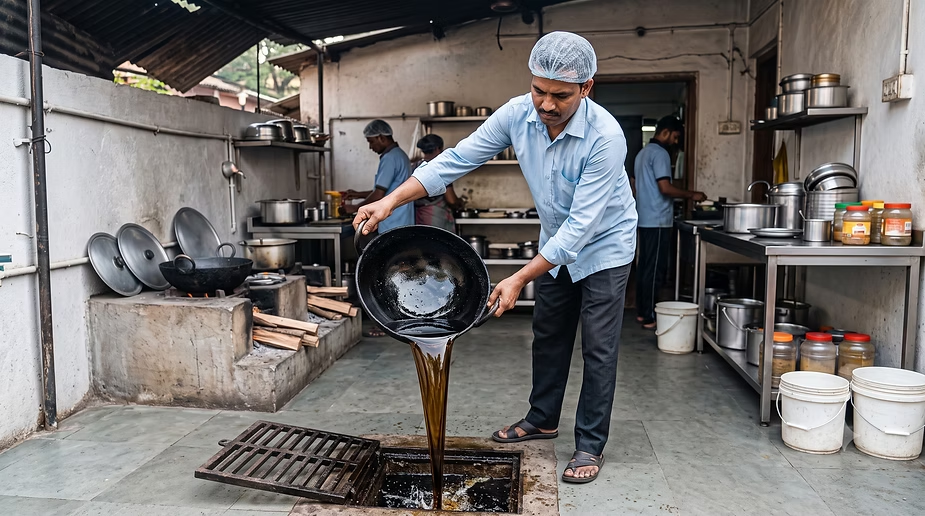
Yes, you read it right! Goa government mandates hotels, restaurants and industries with oil usage to be routed for conversion into biodiesel production instead of discarding it.
At a Glance:
- Goa has made used cooking oil handover compulsory for hotels, restaurants, and industries.
- The oil must be collected for conversion into biodiesel.
- The move aims to stop unsafe disposal and reuse of cooking oil.
- It also supports cleaner fuel production from waste.
- The mandate is part of Goa’s push for better waste management and energy use.
The mandate comes at a point where states are facing a major issue of water pollution, with hotels and industries discarding used oil into the water bodies. The state government’s new policy requires registration on the Goa Energy Development Agency portal, ensuring food businesses follow the official collection system of used cooking oil to remain fully compliant.
Cooking oil across the country has often moved through informal channels, making it harder for governments to regulate. Goa aims to change that, by placing this informal process under an organised and digitised system, moving away from waste generation towards fuel production.
The Goa government notified the mandate earlier this week and moved swiftly to bring the policy into effect within days.
What this means for Hotels Owners and Industrialists
When reused multiple times, used cooking oil becomes a public health concern. It also harms the environment when dumped into water bodies. These practices will now be stopped, with the government moving towards more sustainable options for waste management.
The policy supports Goa’s plan to cut fuel imports by turning waste into cleaner energy.
With the new implementation, hotels, restaurants and industries are expected to register and provide used cooking oil through the designated government collection channel. This will then be converted into biodiesel.
Cooking oil waste management through a traceable channel becomes a first-of-its-kind initiative in the state.
In practice, food businesses will no longer be able to manage used oil without a traceable destination. Instead, they will have to follow a regulated process tied to registration and compliance.
How does this help Goans?
The Goa government’s mandate marks a significant shift in the state’s approach to waste management and energy use, combining public health safeguards with environmental policy.
The idea may be simple, but its impact is significant turning what was once kitchen waste into a valuable source of fuel.
The immediate reason for this policy is the need to prevent reused cooking oil from being misused as it is a health hazard when circulated back to kitchens or water bodies. Goa’s new policy addresses these problems by reconverting oil to biodiesel.
Goa has been looking for ways to reduce fuel dependence and promote cleaner alternatives. This policy brings the state a step closer towards the objective. Now, earlier what used to be considered as waste, becomes transport fuel.
It is now more than a cleanup effort, it is also part of a broader strategy to support local fuel generation and reduce reliance on imports.
In short, the new mandate is both an environmental measure and an energy policy aiming to improve safety, reduce waste, and create a steady supply of raw material for biodiesel production.